- Peak Climbing
Trek and Climb Combined
EBCIP
The Everest Base Camp + Island Peak Expedition combines two of Nepal’s most iconic adventures. First, trek through the Khumbu Valley to stand at the legendary Everest Base Camp, surrounded by towering peaks and rich Sherpa culture.
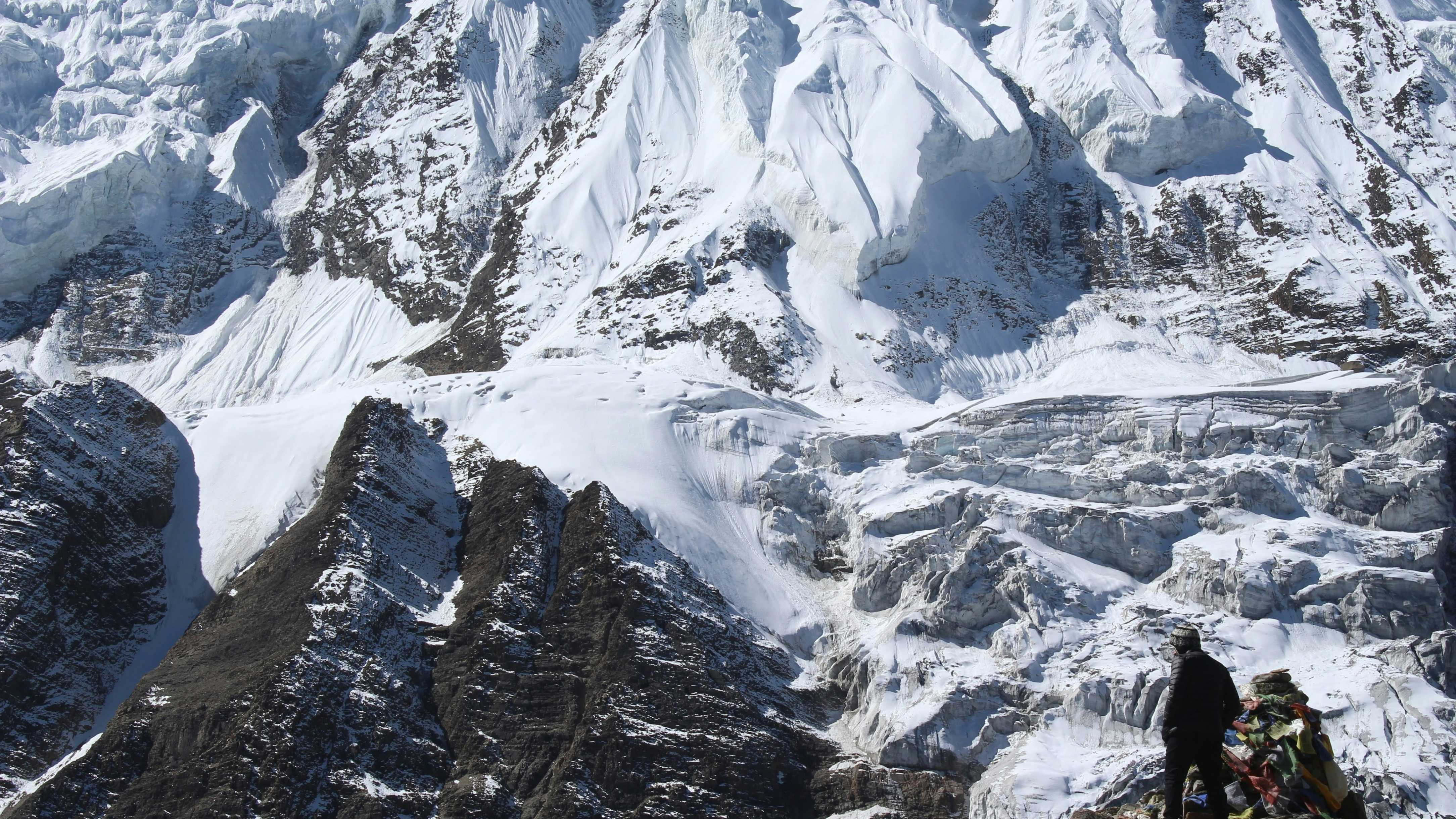
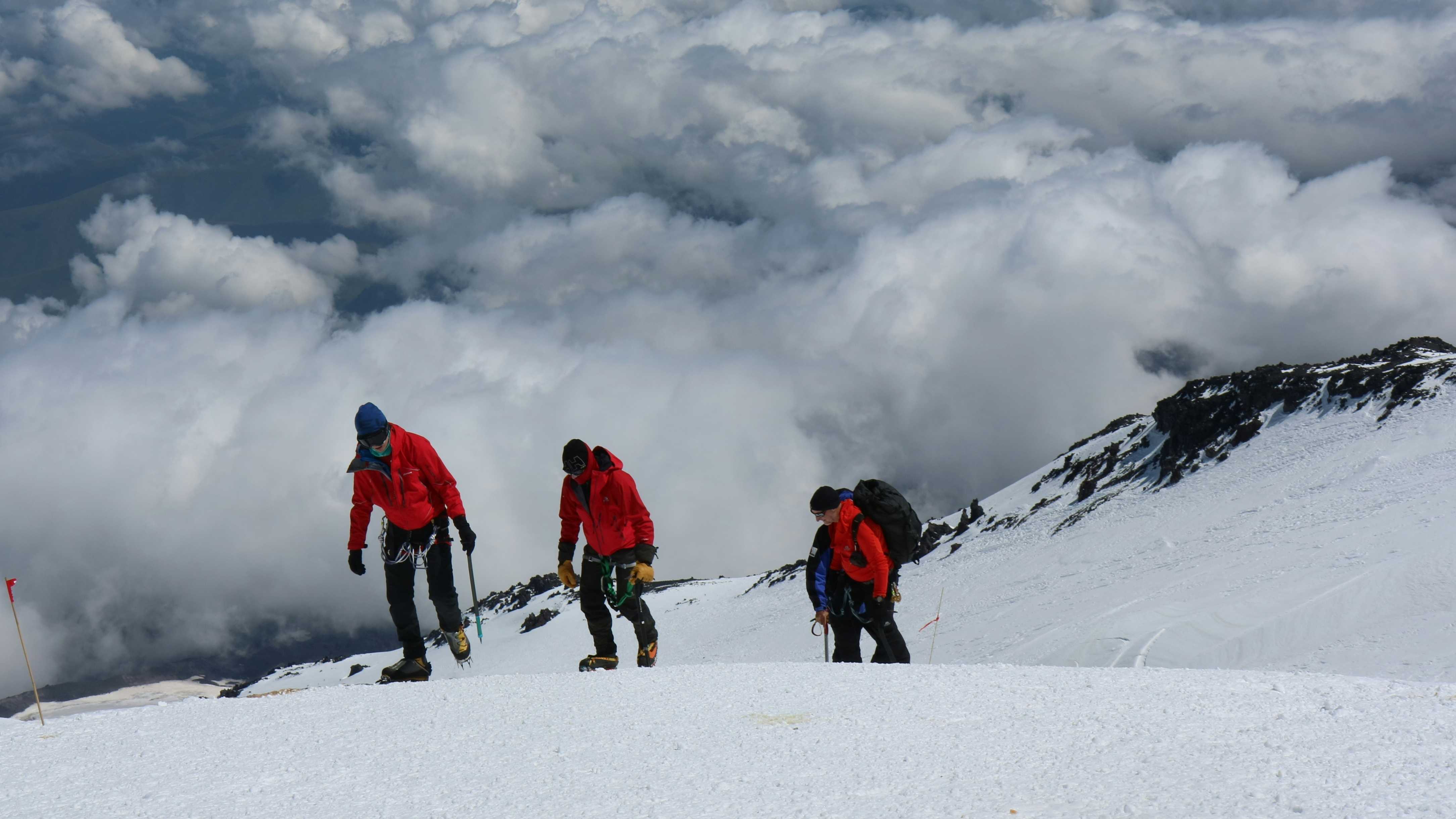
From there, the journey continues to Island Peak (6,189m), an ideal introduction to Himalayan climbing. With ropes, crampons, and expert Sherpa guidance, you’ll take on a true mountaineering challenge and be rewarded with breathtaking views of Everest, Lhotse, and Ama Dablam.
This expedition is the perfect blend of trekking and climbing, designed for those who want more than just a trail experience. With careful acclimatization and professional support, it’s an adventure that pushes your limits and delivers memories for a lifetime.
Summit Overview
The Everest Base Camp + Island Peak Expedition is a rare chance to experience the very best of the Himalayas in one unforgettable journey. This adventure combines the legendary trek to Everest Base Camp at 5,364 meters with the thrill of summiting Island Peak (6,189 meters)—a climb that offers both challenge and reward for aspiring mountaineers.
Designed for trekkers ready to take the next step into alpine climbing, this expedition blends two milestones into one. From the cultural richness of the Khumbu Valley to the technical ascent of Island Peak, you’ll gain not only the physical accomplishment of reaching these heights but also the deeper satisfaction of growth, courage, and discovery.
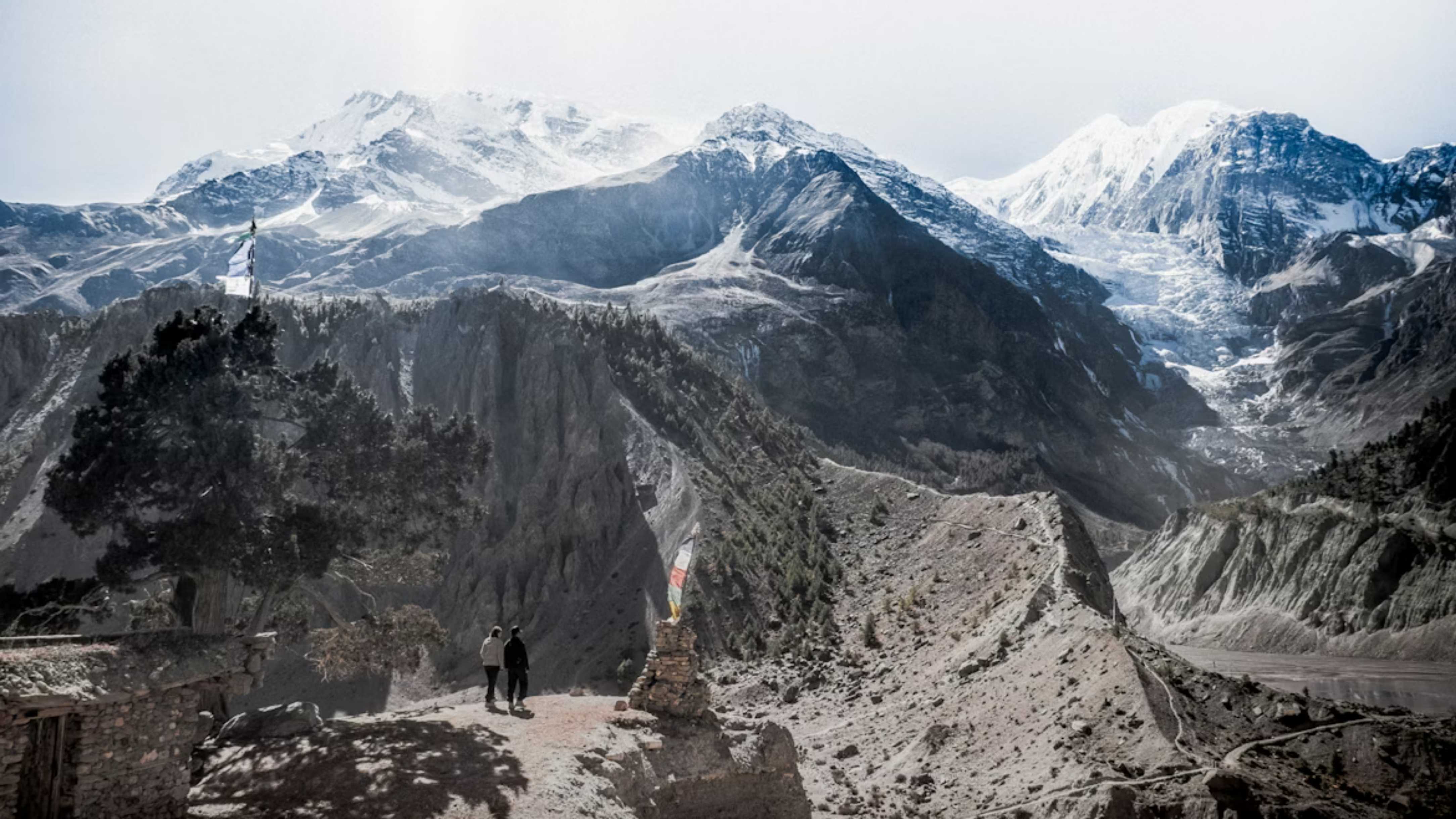
The trek begins with a scenic flight to Lukla, followed by days of exploration through Sherpa villages, ancient monasteries, and dramatic landscapes. Each stop—Phakding, Namche Bazaar, Tengboche—provides both cultural immersion and vital acclimatization. Highlights include the sunrise climb to Kala Patthar (5,545m), where the panorama of Everest, Lhotse, and Ama Dablam sets the stage for the adventure ahead.
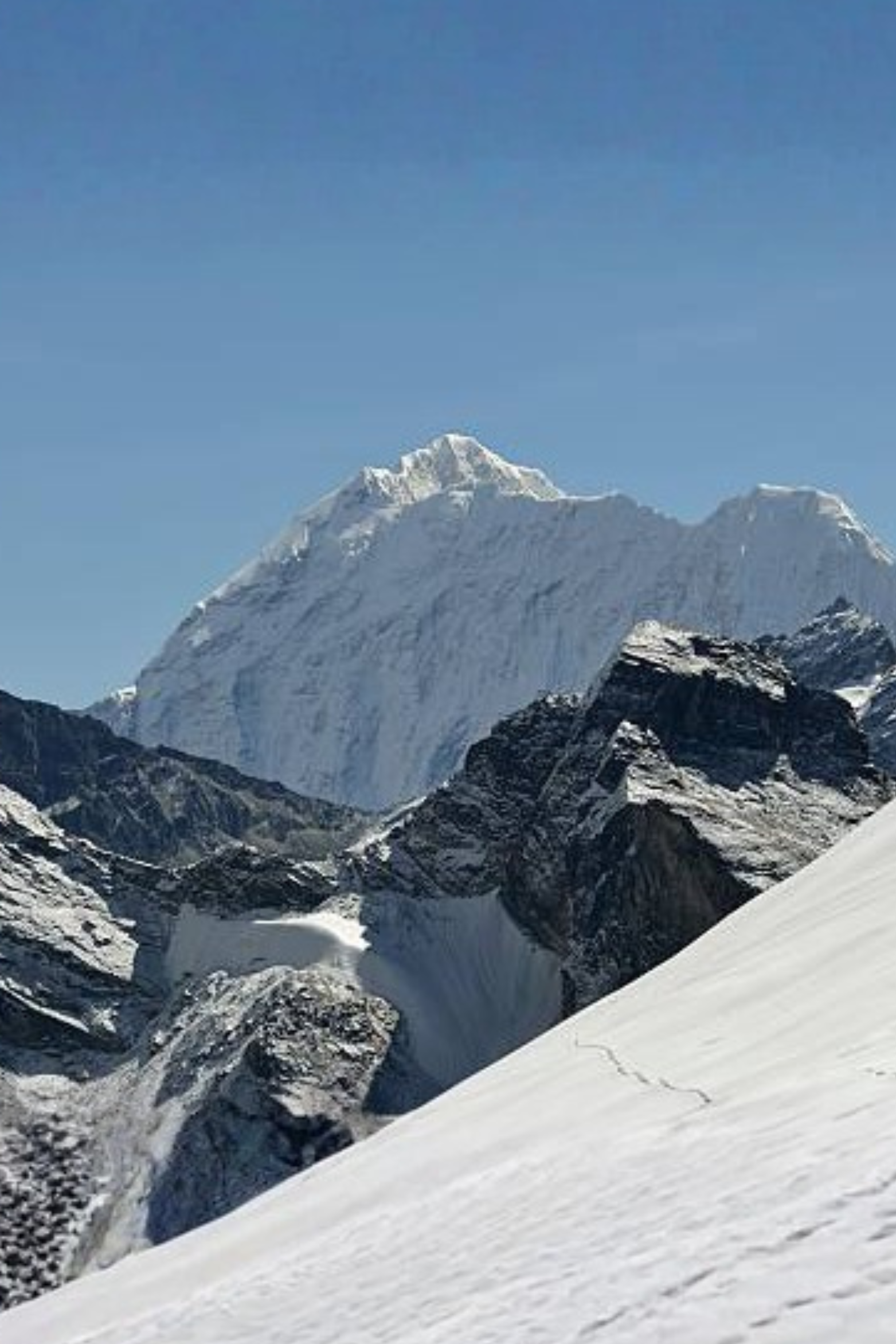
From Everest Base Camp, the journey continues into the serene Imja Valley, where Island Peak awaits. At Base Camp, climbers undergo essential training in rope handling, crampon use, and glacier navigation, guided by experienced leaders. The summit day itself begins in the early hours, leading across glaciers and steep ice slopes before the final push up a narrow ridge to the summit. The reward? A sweeping view of the world’s greatest peaks, from Lhotse’s towering wall to the distant silhouette of Makalu.
After the climb, the route retraces through the Khumbu Valley, giving time to celebrate, reflect, and take in the beauty of the Himalayas one last time. This combined trek and climb is more than a trip—it’s a transformational journey that tests your endurance, builds technical skill, and leaves you with memories of standing at the heart of the world’s greatest mountains.
Summit Highlights
- Scenic mountain flight Kathmandu-Lukla-Kathmandu
- Summit Island Peak (6189m/20299ft)
- Stunning views - Mount Everest (8848m/29021ft), Nuptse (7,879m), Lhotse (8,501m), Lhotse Middle Peak (8,410m), Lhotse Shar (8,383m).Makalu (8475m), Baruntse (7,162m) and Ama Dablam (6,812m)
- Kalapatthar Excursion (5,545m/18187ft)
- Everest Base Camp (5,364m)
- Namche Bazaar - famous Sherpa town
- Ancient monastery in Tengboche
- Wildlife like musk deer, colorful pheasants, snow leopard, and Himalayan tahr
- Explore the culture and lifestyles of the local Sherpa people
- Khumjung monastery - said to have housed yeti scalp
Arrival in Kathmandu International Airport and transfer to the hotel.
Kathmandu City Sightseeing at UNESCO World Heritage Site (1,300m).
Flight to Lukla and Trek to Phakding (2,610m).
Trek to Namche Bazaar (3,480m).
Rest day in Namche Bazaar.
Trek to Tengboche (3,840).
Trek to Pheriche (4,240m).
Trek to Lobuche (4,930m).
Trek to Groaksheep (5,184m) and same day to Base Camp (5,364 m).
Trek to Dingboche (4,360m).
Trek to Chukhung (4,750m).
Trek to Island Peak Base Camp (5,150m).
Trek to High Camp.
Ascent of Island Peak (6,117m).
Trek to Pangboche (3,950m).
Trek to Namche Bazaar (3,470m).
Trek to Lukla.
Flight to Kathmandu.
Departure from Kathmandu.
Transportation
- Domestic flights: Domestic flights (Kathmandu/Manthali – Lukla – Kathmandu/Manthali) cost (Kathmandu-Manthali-Kathmandu on a jeep)
- Private transportation to and from Kathmandu Airport and your hotel
Accommodations
- Total 15 nights. Five nights twin sharing room with private attached bathroom at Lukla, Namche (3N), and Phakding. Eight nights twin sharing accommodation at Tengboche (2N), Dingboche, Chhukung (3N), Lobuche, and Gorakshep. 2 nights accommodation at camp/tent in the Island Peak Base Camp (twin sharing)
- Private transportation to and from Kathmandu Airport and your hotel
Food
- Standard full-board (single main course) meals(16 Lunches, 15 Dinners, and 16 Breakfasts) during the trek/climb
- Seasonal fresh fruits every day
Guide and Porter
- Government Licensed Discovery World Trekking experienced trekking/climbing leader, cook, and porters to help trekkers luggage. (2 trekkers will share a porter) Max load 18 kg per porter.
- Guide and porters' costs, their meals, insurance, salary, lodging, transportation, flight, and other necessary equipment.
Trek Permits and Expenses
- Permits for Island Peak (6189m)
- Sagarmatha National Park entry permit fee
- Khumbu Pashang Lhamu Rural Municipality fees
- Garbage deposit
- All government and local taxes
Other Facilities
- All camping equipment (kitchen tent, dining tent, toilet tent, table, chair, and kitchen utensils)
- Group gears and supplies (ropes, ice screws, snow bars)
- The arrangement of sleeping bags and down jackets, if needed
Medical Assitance
- Medical kits, including an oximeter to monitor blood oxygen saturation levels in high altitudes
- Rescue operation arrangements in case of complicated health conditions (funded by travel insurance).
Souvenir
- Souvenir - a company's T-shirt & a cap
Farewell
- Farewell dinner in Kathmandu at the end of the trek.
Benefits
- Sleeping bags and down jackets, duffle bag (one for every two trekkers) if you do not have your own
- Free excess luggage storage at the Discovery World Trekking store for the duration of the trek
Trek Cost Excludes
- International flight airfare
- All accommodation in Kathmandu, before and after the journey
- Extra night accommodation in Kathmandu due to early arrival, late departure, or early return from the trek.
- All meals in Kathmandu, before and after the journey
- Extra night meals in Kathmandu due to early arrival, late departure, or early return from the trek.
- Tips for guide and porters
- Nepal visa fees. 50 USD for 30 days.
- Travel insurance which has to cover emergency high-altitude heli- rescue and evacuation compulsory
- Personal expenses (shopping, snacks, boil bottle water, hot (tea/coffee) and cold drinks, hot shower, alcohol, Wi-Fi, telephone call, battery re-charge fee, extra porters, etc
- Personal clothing and climbing gear
- Excess baggage charges (limit is 9kg per person)
- Additional costs due to delays or consequences of delays caused by circumstances beyond our control, including landslides, weather conditions, itinerary modification due to safety concerns, illness, changes in government policies, strikes, etc
- All the costs and expenses not listed in "What is included in the package?" will be counted as excludes
Island Peak (6,189 m / 20,305 ft) is located in the Khumbu region of Nepal, above the Chhukung Valley. The climb is typically accessed after reaching Everest Base Camp (5,364 m) by trekking through Lukla, Namche Bazaar, Tengboche, Dingboche, and Gorak Shep and then heading towards Chhukung and Island Peak Base Camp.
The expedition generally takes 16 days, depending on acclimatization days, weather conditions, and the specific itinerary.
The major highlights of the Island Peak Climbing are:
- Scenic flight between Kathmandu and Lukla.
- Trekking to Everest Base Camp (5,364 m) and Kala Patthar (5,555 m).
- Stunning panoramic views of peaks, like Everest, Lhotse, Nuptse, Makalu, and Ama Dablam.
- Sherpa culture and monasteries in Namche Bazaar, Tengboche, and Khumjung.
- Wildlife sightings include musk deer, snow leopards, and Himalayan tahr.
- Reaching the summit of Island Peak (6,189m) for breathtaking views.
Yes, Island Peak is suitable for both novice and experienced climbers. While it is physically demanding, it is not technically difficult. Prior trekking experience and a good level of physical fitness are advantageous but not compulsory.
This climb combines both a trekking and mountaineering experience. Trekkers not only reach the iconic Everest Base Camp but also experience the thrill of summiting a Himalayan peak. It provides an excellent introduction to high-altitude climbing with stunning scenery and cultural insights along the way.
Yes, you can take part in the private Island Peak Climb combined with Everest Base Camp.
A high level of physical fitness is required. You must be capable of walking 6-8 hours per day with a backpack and be prepared for steep ascents and high-altitude conditions.
Yes, beginners with prior trekking experience and basic knowledge of mountaineering equipment (crampons, ropes, and ice axes) can undertake the climb. Proper acclimatization and guidance from experienced Sherpas will ensure a safe experience.
- Physical Preparation: Cardiovascular exercises, strength training, and long hikes with a weighted backpack.
- Technical Skills: Basic knowledge of using mountaineering gear, such as crampons, ice axes, and ropes.
- Mental Preparation: A strong mindset to handle challenging conditions and altitude sickness.
Yes, we include the required permits in our climbing package.
You can get a Sagarmatha National Park Permit and Khumbu Pasang Lhamu Rural Municipality Permit at NTB (Nepal Tourism Board) at Bhrikutimandap in Kathmandu or Monjo and Island Peak Climbing Permit from the Nepal Mountaineering Association (NMA). However, we will get these permits on your behalf.
Yes. Comprehensive travel insurance is mandatory for Island Peak Climbing and Everest Base Camp trekking.
Your insurance must cover health care costs as well as emergency helicopter evacuation up to 6,000 m. Verify with your insurer to make sure your policy includes helicopter evacuation.
Yes. All foreign nationals (except Indian citizens) require a visa to enter Nepal. On-arrival visas are available for most foreigners at Tribhuvan International Airport or along immigration checkpoints along Nepal borders. You can check https://www.immigration.gov.np/en for details.
Island Peak Climbing with Everest Base Camp includes 15 nights in mountain regions. We provide five nights of twin-sharing room with a private attached bathroom at Lukla, Namche (3N), Phakding, and eight nights of twin-sharing accommodation at Tengboche (2N), Dingboche, Chhukung (3N), Lobuche, and Gorakshep. You will spend two nights in camps/tents in the Island Peak Base Camp.
Yes. Most lodges offer hot showers, electricity, and device charging facilities. However, you will pay for them.
Wi-Fi and charging points are available in many teahouses and lodges, but connectivity may be unreliable at higher altitudes. You will also need to pay for these facilities.
Meals include traditional Nepali, Asian, and Western dishes such as Dal Bhat, momo, pasta, burgers, sandwiches, and soups.
Yes, vegetarian and vegan food options are available. Please let us know your dietary preferences beforehand.
Packed water is available along the trek routes. However, for ecological reasons, we encourage you to bring a reusable water bottle and fill it with boiled/filtered water from the lodges/tea houses. Further, use water purification tablets or filters for added safety. We can also provide you with water purification pills should you need them.
The best seasons are spring (March-May) and autumn (September -November). These seasons provide clear skies, stable weather, good trek trails, and optimum temperatures. The autumn season is also festive in Nepal.
Unstable weather, including snow, wind, or fog, can make climbing more challenging and obstruct the views. Stable seasons offer safer and more enjoyable experiences.
We do not conduct the Island Peak Climb during the monsoon months of July and August. Similarly, we do not offer this package in December and January (winter).
For the Island Peak Climbing and Everest Base Camp trek, pack insulated clothing layers, waterproof and windproof jackets, sturdy hiking boots, a warm sleeping bag, hats, UV-protection sunglasses, and essential personal hygiene products. These items ensure safety, comfort, and a smooth trekking experience in challenging conditions. Please see our equipment section for details.
Essential climbing gear for Island Peak includes crampons, an ice axe, a harness, climbing boots, and a helmet. If you don’t have your own equipment, you can also rent them for the climb.
Yes, trekking poles are recommended for stability and reducing joint strain.
We recommend you book at least one month in advance. Last-minute bookings are possible but may face logistical challenges.
We require a 10% advance payment via bank transfer, credit card, Wise, or Western Union to confirm the booking. You can pay the remaining balance in Kathmandu via cash, credit card, bank transfer, Wise, or Western Union. We will also email you payment details.
Yes, we have such policies. Visit the terms and conditions page.
Flights operate from Kathmandu to Lukla in off-peak months. In peak months, flights are redirected to Manthali. You will reach Manthali with a 5-hour drive from Kathmandu. From Manthali, you will catch a 20-minute flight to Lukla, the starting point of the trek.
Yes, domestic flights (Kathmandu/Manthali to Lukla) are required.
The return journey includes a flight from Lukla to Kathmandu/Manthali. If you fly to Manthali, we will drive you back to Kathmandu.
We recommend you to carry only the basic clothing and accessories needed for the trek. Though porters will carry your major luggage, your luggage weight limit is 9 kg. We assign a porter for every two trekkers, and the maximum combined luggage weight limit for a porter is 18-kg.
Although we understand that our clients have their own clothing preferences, here is our list to help you with your packing. Remember that you can buy equipment in Kathmandu as well. Make sure that you have the right size of gear if buying or renting.
- Ice Axe: A must-have for self-arrest and balance on icy slopes.
- Climbing Harness – Secures you to ropes or anchor points during the climb.
- Crampons – Traction devices attached to boots for walking on ice and snow.
- Tape Slings – Versatile tools used for anchoring or extending protection.
- Figure 8 Descender – Used for controlled descents; works in friction or smooth mode.
- Screwgate Karabiners – Locking carabiners to secure knots and climbing gear safely.
- Helmet – For protection against falling debris or accidental knocks.
- Ascender (Jhumar) – Assists in climbing up fixed ropes efficiently.
- Plastic Mountaineering Boots – Insulated boots suitable for high-altitude climbs.
- Rope – Essential for belaying, rappelling, and safety during technical sections.
- Ice Hammer – For anchoring or cutting footholds in ice.
- Ice Screw – Used to anchor in hard ice; essential for safety and rope systems.
- Snow Bar – An anchor used in snow for belaying or setting up protection.
- Sun Hat or Scarf – To protect your face and neck from intense sunlight.
- Winter Hat / Insulating Hat / Wide-Brimmed Hat – Choose based on weather; essential for warmth and sun protection.
- Warm Hat Covering Ears – Wool or synthetic, ideal for cold conditions.
- Headscarf – Useful for both sun protection and dusty trail conditions.
- Sunglasses with UV Protection – Crucial for eye safety at high altitudes.
- Headlamp – Bring extra bulbs and batteries for nighttime use and early ascents.
- Prescription Sunglasses – For those who require vision correction in strong sunlight.
- Sunscreen
- Sunglass with UV protection
- Face/body wipes
- A pair of mittens containing a Gore-Tex over mitt matched, waterproof, polar-fleece mitt liner
- A pair of lightweight poly-liner trek gloves
- A pair of lightweight fleece gloves (or wool)
- One sleeping bag 30 degrees DC
- Fleece sleeping bag liner
- Rucksack and travel bags
- One medium rucksack or one large duffel bag
- Daypack/backpack of 50 liters max for carrying your valuables, should have good shoulder padding.
- Small padlocks for duffel-kit bags
- Two large waterproof rucksack covers (if you need them)
- Hiking shirts
- Long-sleeved shirt
- Hooded rain jacket
- Fleece jacket
- Lightweight cotton pants
- T-Shirt (bring Lightweight wool)
- Polypropylene underwear
- Expedition grade down jacket (available for rent in Kathmandu)
- Sweater
- Waterproof jacket and pants
- Thick thermal merino bottoms (Icebreaker 200, Odlo Revolution Thick)
- Polar fleece trousers or similar mid-layer trousers
- Gore-Tex (over)trousers or bibs. Waterproof/breathable with full side zips
- Goose-down trousers or bibs or a down suit
- Liner gloves for tying knots
- waterproof stuff sacks to keep your clothing dry
- A pair of hiking shorts, trousers, lightweight thermal bottoms
- A pair of fleece or woolen trousers
- A pair of breathable fabric, waterproof shell pants
- Non-cotton undergarments
- Hiking boots
- Thick wool socks (Take an extra pair of thick light socks)
- Gore-Tex hiking boots with ankle support
- A pair of trainers or running shoes and/or sandals
- Two pairs of thin, lightweight inner socks
- Two pairs of heavy poly or wool socks
- A pair of hiking boots with spare laces (sturdy soles, water-resistant, ankle support
- Gaiters
- Cotton socks
- Backpack or daypack (Size depends on whether you take porter or not).
- Thermal bottle
- Water purification
- Trekking pole
- Sleeping bag (-15 bag is best in the high altitude trekking)
- Medium size drying towel
- Toothbrush
- Toothpaste
- Deodorant floss
- Biodegradable bar soap
- Nail clippers
- Small mirror
- Multi-purpose soap (must be biodegradable)
- personal simple and light first-aid kit
- First-aid tapes and plasters
- One skin-blister repair kit
- Anti-diarrhea, headache pills
- Cough and cold medicine for sure
- Anti-altitude sickness pills: Diamox or Acetazolamide
- Stomach antibiotic: Ciprofloxacin, etc.
- Water purification tablets or the water filter
- One set of earplugs
- Extra pair of prescription glasses or contact lens supplies
- Money
- Watch
- Cell phone
- Camera
- Extra passport photos and photocopies of passport
- Notebook and pen
- Binoculars
- Nail clippers
- Face and body moisturizer
- Female hygiene products for female
- Small mirror
- Personal Hygiene
- Wet wipes (baby wipes)
- Tissue /toilet paper roll
- Anti-bacterial handwash
- Reading book
- Trail map/guidebook
- Notebook and pen (if you want to write your moments)
- A modest swimsuit
- A Voltage converter (from 220 to 110 ampere)
- Lightweight pillowcase (optional)
make an inquiry
Overview
Starting Point
Lukla (2,860m
Duration
18-22 Days (Standard 19-20 Days)
Maximum Altitude
6,189m / 20,305ft (Island Peak)
Activity Per Day
Approximately 4-6 hrs walking
Country
Nepal
Group Size
2-12 People
Meals
All Meals (Breakfast, Lunch & Dinner) during the trek
Related Travel Guides, reviews and Stories
Discover inspiring stories, travel tips, and expedition insights from the heart of the Himalayas